
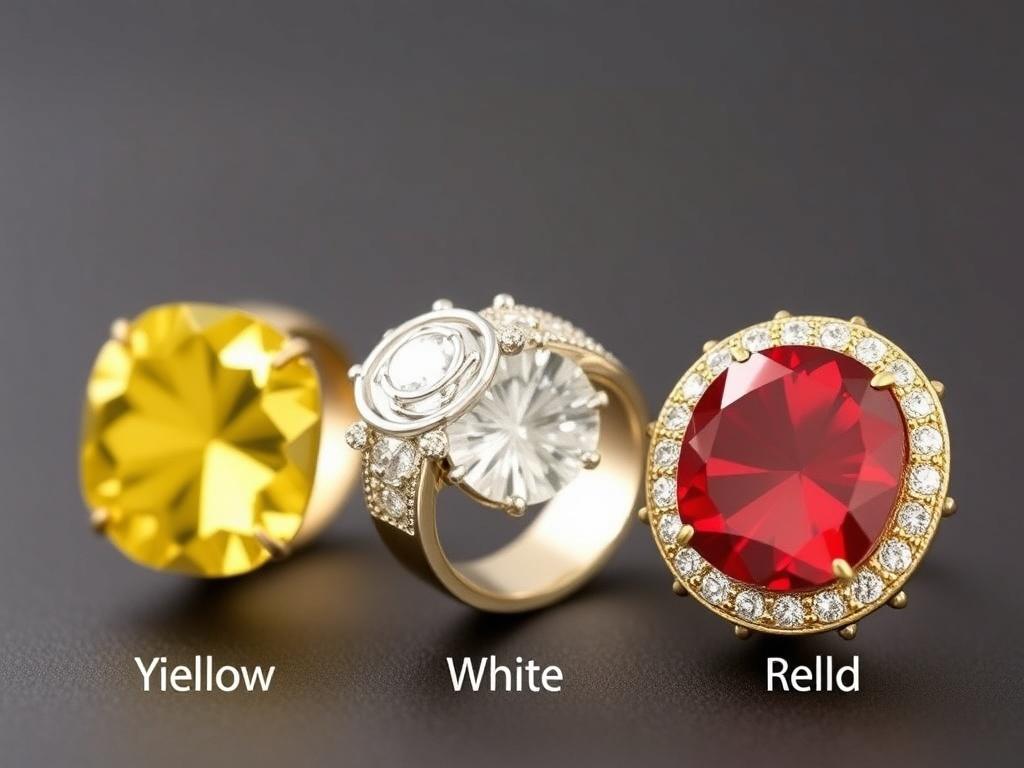
Gold comes in three familiar hues, but the real magic happens in the alloys behind the shine. Pure gold, while lovely, is too soft for daily jewelry; it bends, scratches, and loses its shape. So jewelers blend gold with other metals to tailor color, durability, and price. In everyday life, people often decide between yellow, white, and red (rose) gold based on tone, skin undertone, and how the piece will be worn. This guide dives into the distinctions, practical tradeoffs, and real-world tips you can count on when shopping for gold jewelry.
Yellow gold: the warm, timeless favorite
Yellow gold is the classic image of gold jewelry—the warm, earthy glow that pairs with almost any gemstone and complements many outfits. Its color comes from the traditional alloy mix, where gold is blended with metals like silver and copper to achieve the desired karat. In practice, 14k yellow gold contains about 58.5% gold, while 18k yellow gold ups that to around 75% gold, trading a touch more color richness for durability. The exact blend can shift the hue from bright sunshine to a deeper amber, depending on the proportions used by the jeweler.
Durability is a key consideration with yellow gold. Higher karat gold is softer, more prone to scratches, and more susceptible to bending than lower karat blends. That’s why 14k yellow gold is a common workhorse for everyday rings, bracelets, and earrings. It resists wear well enough for daily life while still offering handsome warmth. For special pieces that will see heavy use, many buyers gravitate toward 14k because it holds its shape and polish more reliably than 18k in some settings.
Color and tone aren’t the only benefits. Yellow gold has a natural, versatile look that suits both vintage and contemporary styles. It tends to pair beautifully with gemstones like emerald, sapphire, and opal, as well as with warm skin tones. If a piece needs to look vintage or timeless, yellow gold often reads as the most “authentic” choice in the eyes of many wearers. And because the alloy is straightforward, refinishing and resizing are generally straightforward tasks for a skilled jeweler.
Composition and karat basics
Understanding karat helps when you compare options. Karat is a proxy for gold content: 24k is pure gold, while 14k and 18k indicate different blends with other metals. In yellow gold, copper is the obvious co-mix that darkens the hue with more copper, while silver lightens it a touch. The jeweler can adjust the balance to tilt toward a brighter or a more muted yellow depending on the target audience.
Practical takeaway: if you want a deeper, more coppery glow, ask about the exact alloy recipe. If you’re after a brighter, lighter tone, a higher silver content or a slightly different copper ratio can help. The result is a robust, warm color that remains a staple in wedding bands and heirloom pieces alike.
Choosing yellow gold for different jewelry
For engagement or wedding rings, yellow gold’s warmth is often a crowd-pleaser. It can enhance diamonds and colored stones by reflecting warmth into the stone’s facets. For daily wear, many people prefer 14k yellow gold because it holds up under knocks, chores, and workouts without showing wear as quickly as higher karat gold might.
When styling with stones, the metal’s color sets the stage. A bright yellow gold setting can make a blue gemstone pop, while a deep, honey-toned gold can whisper romance around a ruby or garnet. If you’re building a jewelry capsule—necklaces, bracelets, and earrings—the uniform warmth of yellow gold can unify diverse pieces into a single, timeless wardrobing strategy.
White gold: modern brightness with practical caveats
White gold offers a contemporary, high-contrast alternative to yellow gold. The color is achieved by blending gold with white metals such as nickel, palladium, or manganese. The result is a pale, silvery tone that can resemble platinum at a glance, especially when the piece is rhodium plated. This plating adds an extra layer of whiteness, depth, and occasional pop to the jewelry’s finish.
One practical caveat is plating maintenance. White gold often arrives plated in rhodium to achieve its signature bright whiteness; over time, wear can erode the plating. When that happens, the metal underneath may appear slightly yellowish. Jewelers can re-plate the piece to restore its pristine white shine, but the process adds cost and periodic upkeep. If you’re shopping white gold, factor in potential re-plating every few years for a consistently bright look.
Allergy considerations are another real-world factor. Some white gold outfits include nickel as a hardener, which can cause irritation for sensitive skin. If you have nickel sensitivity, look for white gold that uses palladium or other nickel-free alloys, and don’t shy away from asking for a nickel-free stamp or a certification of the alloy. In many regions, nickel-free white gold is now the norm for comfort and hypoallergenic wearers.
Plating reality and care tips
Rhodium plating shines like a mirror, but it isn’t permanent. Everyday wear, cleaning, and friction can wear away the finish. When the plating becomes thin or uneven, it’s time for a replate—usually a simple, affordable service at a jewelry shop. After re-plating, some people notice a refreshing brightness that makes the piece feel nearly new again. It’s a good reminder that white gold’s glow is, to some extent, a living finish.
Care for white gold is straightforward but deliberate. Clean with mild soap and warm water, using a soft brush to reach crevices. Avoid abrasive cleaners that could wear away plating more quickly. If you wear a lot of water-based activities or heavy workouts, you may want to reserve white gold pieces for occasions and keep forged hues well-polished with a gentle cloth between wears. The goal is consistent brightness without harsh rubbing that accelerates wear.
Choosing white gold for different jewelry
White gold excels in modern, minimalist designs—slender bands, geometric earrings, and contemporary pendants. It also pairs well with diamonds and white sapphires, letting the stone’s brilliance take center stage while the metal provides a crisp, understated frame. For people who want a ring that looks like platinum but at a lower price point, white gold is often the practical choice.
When skin tone is a factor, white gold tends to look cool and bright against many complexions. If your wardrobe leans toward cool tones or metallics, white gold can be especially satisfying. But if you wear a lot of warm-toned outfits, you might prefer the golden warmth of yellow gold, or the rosy glow of rose gold, to harmonize with your color palette.
Rose/Red gold: copper in the spotlight
Rose gold, sometimes marketed as red gold, is defined by its copper content. The more copper, the richer and redder the tone. At lower karats, you’ll see a pinkish blush; at higher karats, a deep, sun-kissed red. Typical rose gold alloys range from 58.5% gold in 14k to about 75% gold in 18k, with copper as the star co-metal. The result is a captivating, vintage-friendly color that’s become a modern staple in many jewelry lines.
Durability and wear profiles of rose gold reflect copper’s influence. Copper tends to be harder than silver, which can make rose gold more resistant to dents in certain settings. However, copper is also more prone to scratching your skin? Not quite: metal is metal; the wear pattern mainly affects the surface finish. In practice, rose gold’s strength is comparable to yellow and white gold within the same karat class, with a small trade-off in scratch visibility depending on the design and polish.
Rose gold’s visual warmth makes it a natural partner for warm stones like morganite, peach moonstone, or coral hues, while still aligning gracefully with diamonds. It’s a popular choice for vintage-inspired pieces, engagement rings with romantic silhouettes, and everyday jewelry that looks softer and more approachable than bright white metal. For many, rose gold feels uniquely timeless and intimate, a color that ages with a kind of glow rather than a stark gleam.
Copper content and color range
The copper percentage is the driver of hue. Subtle pinks appear when copper is modest, while deeper reds emerge as copper content climbs. This means you can select a rose gold shade that matches your personal style or screams “classic romance.” Because copper can influence hardness, some designers tweak the alloy to balance beauty and resilience, particularly in rings that face frequent wear.
In practice, the choice often comes down to taste and how much you want the metal to be seen. Rose gold has a softer, more intimate vibe than yellow or white gold, which makes it popular for vintage-inspired settings and warm-toned gemstones. If you’re after a unique, contemporary twist on gold jewelry, rose gold frequently delivers that look with a modern twist.
Choosing rose gold for different jewelry
Rose gold shines in engagement rings and fashion rings alike, especially when paired with diamonds or warm-toned stones. The metal’s warmth can soften sharp angles in a setting and emphasize delicate filigree or intricate milgrain details. For bracelets and necklaces, rose gold offers a gentle radiance that reads as intimate and approachable in everyday wear.
Skin tone and fashion sense play a big role here. People with warm undertones often feel rose gold harmonizes with their complexion and wardrobe. If you wear a lot of pinks, peaches, or earth tones, rose gold can feel like a natural extension of your style. On the flip side, cooler tones might lean toward white gold for a bright, contemporary statement—or yellow gold for that classic, sunlit glow.
How the differences matter in real life
All three colors of gold have something to offer, and the choice often comes down to how the piece will be used, what you value in color, and how much maintenance you’re willing to accept. A key factor is the alloy’s color stability over time. While yellow and rose gold tend to age gracefully with minimal visible changes, white gold’s brightness can fade as rhodium plating wears away. The practical implication is simple: plan for occasional upkeep if you want consistently bright whiteness.
Another factor is skin reaction. Nickel used in some white gold alloys can trigger irritation for sensitive skin, making the alternative of palladium-based white gold or rhodium plating a safer path for many wearers. If you’re shopping as a gift for someone with sensitive skin, ask about the exact alloy and whether the piece is plated and when it was last plated. These details matter once you wear the jewelry daily.
When you pair gemstones with these metals, the metal’s color can influence the perceived color of the stone. A cool white metal can make a blue sapphire look cooler and more brilliant, while a warm yellow or rose gold can add warmth that changes the stone’s perceived tone. The effect isn’t magical, but it’s worth considering when you’re building a set or selecting a single centerpiece piece.
Quick comparison at a glance
| Color tone | Common alloys | Typical karat ranges | Maintenance notes | Ideal uses |
|---|---|---|---|---|
| Yellow gold | Silver, copper | 14k, 18k | Minimal plating; polish as needed | Classic rings, vintage-inspired pieces, warm-toned stones |
| White gold | Nickel or palladium, sometimes manganese | 14k, 18k | Rhodium plating often required; replate as plating wears | Modern designs, high-contrast with diamonds, cool-toned looks |
| Rose gold | Copper | 14k, 18k | Generally no plating; patina may develop softly | Romantic styles, vintage revivals, warm-toned stones |
Care and maintenance across gold colors
Regardless of color, gold jewelry benefits from consistent care. The simplest rule: remove jewelry during heavy work, swimming, or cleaning tasks that involve harsh chemicals. These steps help preserve polish, prong integrity, and the overall silhouette of the piece. A soft cloth for daily wipe-downs keeps the surface bright without scratching the metal.
For yellow gold, routine polishing can restore a soft sheen that may dull with time. White gold requires a more deliberate maintenance plan because the rhodium layer can wear off. Most people don’t notice the color shift until it becomes noticeable; a professional re-plating can bring back that crisp, bright white once or twice a year, depending on wear. Rose gold is generally forgiving, but even it appreciates gentle cleaning to keep police-of-luster waiting in the wings.
Common maintenance routines
Keep a small jewelry care kit handy: a mild dish soap, warm water, a soft-bristled brush, and a microfiber cloth. Soak pieces briefly, especially those with intricate settings, then brush them gently to dislodge dirt. Rinse thoroughly and pat dry. For pieces with stones, avoid ultrasonic cleaners unless your jeweler approves, as vibrations could loosen settings over time.
Color-specific tips help, too. White gold owners may enjoy a periodic re-plating when the whiteness begins to fade, while yellow and rose gold pieces benefit from a light wipe and a professional polish once in a while to refresh their glow. This approach keeps the jewelry looking intentional and well cared for, rather than dull or tired.
Buying guide: what to ask and what to watch for
Shopping for gold involves more than color preference. The setting, cut, and wear pattern all influence which color makes the most sense. In a store, you can ask about the exact alloy used, whether white gold is plated, and how often maintenance is recommended. You can also request a written stamp that confirms karat, metal type, and any plating or coatings. These details help you compare options across brands and price points more fairly.
Another practical angle is the jewelry’s intended use. If you expect heavy daily wear—think engagement rings, wedding bands, or everyday bracelets—14k blends are often favored for their durability. For special occasion pieces that you don’t wear every day, 18k options offer richer color and a more luxurious feel, at the cost of extra care. For fashion-forward looks or minimalist elegance, white or rose gold can deliver a modern or romantic vibe that stands out in a crowd.
Personal experience and real-life examples
Early in my career as a jewelry writer, I tested a yellow gold ring set with a sapphire versus a white gold option with the same stone. The sapphire appeared crisper against the white metal, but the yellow gold glow made the blue seem warmer and more alive in ambient light. The lesson was simple: two pieces with identical stones can read very differently because of metal color and finish. You don’t know until you see them side by side in natural light.
On another project, I watched a customer switch from white gold to rose gold for a family heirloom redesign. The change altered the ring’s mood—from crisp, modern to soft, intimate. The new copper tone caught the eye in a way that felt more personal and connected to her family’s story. It’s remarkable how a color tweak can reshape sentiment without changing the stone or the design.
Color, culture, and market realities
Gold’s color has cultural resonance around the world. In some markets, yellow gold has long been the default symbol of wealth and tradition. In others, white gold is preferred for its modern brightness and its ability to “disappear” against light-colored stones. Rose gold, with its romantic aura, has enjoyed a revival in fashion circles, particularly for jewelry that aims to feel contemporary yet timeless. The market responds to these preferences with a spectrum of designs, from minimalist bands to ornate vintage reproductions.
Price is another reality to consider. Carat weight, craftsmanship, and brand influence the final tag, but the color choice also factors into perceived value. Higher karat options are often priced higher due to the gold content, but the overall look can be influenced by the finish, polish, and whether plating is involved. For many shoppers, the best choice balances beauty, practicality, and long-term value rather than chasing the most expensive option.
Skin tone and personal style alignment
Skin tone matters, but style matters more. Individuals with warmer undertones may gravitate toward yellow or rose gold because the metal complements their complexion and warms up elaborate outfits. Those with cool undertones might lean toward white gold or even platinum-like metals for a sharper, more high-contrast look. Your wardrobe’s palette often serves as a guide—neutrals and jewel tones can shine against any gold color, while bold blues and greens frequently pair nicely with the warmth of yellow or rose.
Ultimately, the best choice aligns with how you feel wearing the piece. If a color makes you hesitate before putting it on, that hesitation becomes a signal: try something else. Jewelry should be a source of confidence and joy, not a constant wardrobe worry. A well-chosen hue can become your signature—quietly expressive, not loudly loud.
Putting it all together: how to decide
When you’re choosing among yellow, white, and red gold, start with the piece’s purpose. For rings that see daily wear, durability and ease of maintenance are practical priorities. For statement pieces and fashion jewelry, color personality and how the metal reflects your style may take precedence. If you’re mixing metals in a collection, consider how the colors contrast with stones and with other metals in your wardrobe. A thoughtful combination can feel deliberate and cohesive rather than accidental.
Ask for a test comparison in-store. If possible, view the same design in each color side-by-side under natural lighting. Seeing the piece in daylight helps reveal subtle differences in warmth, brightness, and tone that aren’t obvious under showroom lights. Take your time, weigh the pros and cons, and choose what feels like you in the moment—because your jewelry will be with you for years.
Common myths debunked
Myth: White gold is “just cheaper platinum.” Reality: white gold is a different alloy, often plated, and while it can offer a comparable look at a lower upfront cost, ongoing maintenance costs should be considered. Myth: Rose gold wears out faster than yellow or white gold. Reality: wear is more about alloy hardness, design, and daily use than color alone. Myth: You should always choose the highest karat possible. Reality: higher karat means softer metal, which can be a drawback for rings subject to friction and impact. The best choice balances color, durability, and lifestyle.
Practical examples and quick decisions
If you want a timeless, versatile piece that matches almost any gemstone, yellow gold at 14k offers reliability and classic warmth. If you prefer modern brightness and a cooler vibe, white gold with a fresh rhodium plate can deliver a striking look with less maintenance than platinum. If you crave something romantic and contemporary with a touch of vintage charm, rose gold at 18k provides a luxurious feel with a soft glow.
For a family keepsake or an heirloom that should endure a lifetime, consider durability first, then color. A well-made piece in 14k yellow or rose gold with a secure setting will likely outlast a higher-karat design that’s more delicate. Your future self will thank you for prioritizing structure and comfort in wear, while letting color do the talking where it matters most—the way you feel wearing it.
In practice: color choice by jewelry type
Engagement rings often benefit from the color that best suits the bride or couple’s style. Yellow gold remains a traditional favorite for its timeless aura and compatibility with a wide range of stones. White gold is ideal for modern, high-contrast settings where diamonds pop brilliantly. Rose gold offers a romantic narrative, particularly with warmer stones like morganite or with vintage-inspired silhouettes.
Wedding bands tend to favor durability and effortless upkeep. In many markets, 14k yellow or white gold bands are the default for their balance of strength and shine, while rose gold bands provide a soft, intimate vibe for those who want something a touch different without being flashy. The setting can also influence color; slightly cooler stones can offset white gold’s brightness, while warm stones can harmonize with yellow or rose gold.
Putting it into context: care, cost, and conscience
Care routines and cost considerations differ somewhat by color, but the core idea remains the same: clean gently, protect the finish, and plan for maintenance when needed. If you’ve got a tight budget, you can prioritize a sturdy 14k option in yellow or white gold and invest in a quality setting rather than a higher karat weight that may demand more care. If your budget allows for a premium look, 18k versions in any color deliver richer color and a more luxurious feel—but they require mindful wear and maintenance, especially in active lifestyles.
Conscious shoppers may also consider ethical sourcing and alloy transparency. Reputable jewelers publish details about metal origin, manufacturing methods, and lab tests when possible. If you care about environmental and social impact, ask about sourcing and whether the shop offers recycled gold options. The right conversation can illuminate choices beyond color and price, guiding you toward a purchase you’ll cherish long term.
To circle back to the original prompt, some readers pursue the exact phrase in their searches—Отличия жёлтого, белого и красного золота—as a way to anchor themselves before diving into these nuances. In English-language guides, we translate that inquiry into how yellow, white, and red gold differ in color, durability, and care. The takeaway is simple: color is more than skin deep. The metal’s chemistry shapes how a piece looks, lasts, and feels to wear day after day.
As a final thought, think of gold color like a accent in your personal style. It’s not just about metal; it’s about the story you want to tell when you wear it. Yellow gold speaks to tradition and warmth. White gold offers modern brightness and a clean frame for stones. Rose gold carries a romantic, vintage-inspired charm that still feels contemporary. Whichever you choose, do so with intention, and you’ll enjoy a connection to this ancient material that’s anything but ordinary.